

The process of shedding hair, frequently thought of as a minor aesthetic issue, constitutes a profoundly biological process that affects a vast number of people internationally. At the core, hair loss describes the partial or full loss of hair strands from the cranial region. While the average individual normally sheds a specific range of hairs each day as a component of the regular hair growth cycle, true hair loss manifests once this balanced process becomes unbalanced. This elaborate regeneration cycle comprises distinct phases: the active growth phase, catagen, and the resting phase. When environmental or biological factors impede this vital steps, the outcome frequently receding, a development that can profoundly influence an individual's psychological state. Understanding the subject necessitates a holistic look that extends well past simple signs.
One of the most prevalent categories of alopecia is androgenetic alopecia, a condition that is fundamentally caused by genetic factors in conjunction with hormonal activity. For men, the condition typically shows up in the form of a diminishing hairline eventually leading to thinning at the vertex. In contrast, women typically undergo a widespread thinning over the top head region, which seldom culminates in complete hairless patches. This pattern of thinning is technically on-going, meaning that increases over time if specific interventions are not employed. While DNA exert the primary influence, one must imperative to acknowledge that alternative variables, including ongoing stress, dietary imbalances, and secondary systemic disorders, can accelerate the progression. By grasping the various etiologies, concerned patients are able to better tackle the follicular vitality.
A separate notable category of hair loss includes telogen effluvium, a condition that occurs once a sizable number of hair roots are suddenly shunted prematurely into the resting phase of the regeneration process. Such a reaction is triggered by major systemic or emotional trauma, including surgeries, giving birth, severe illness, or extreme psychological turmoil. Unlike pattern baldness, telogen effluvium is usually temporary. If the underlying stressor is removed, the follicles typically recovers its full growth pattern over the course of a few months. Distinguishing this difference remains vital since the strategy to management diverges significantly. If genetic loss necessitates continuous strategies, telogen effluvium frequently heals spontaneously provided the triggering cause has been duly dealt with.
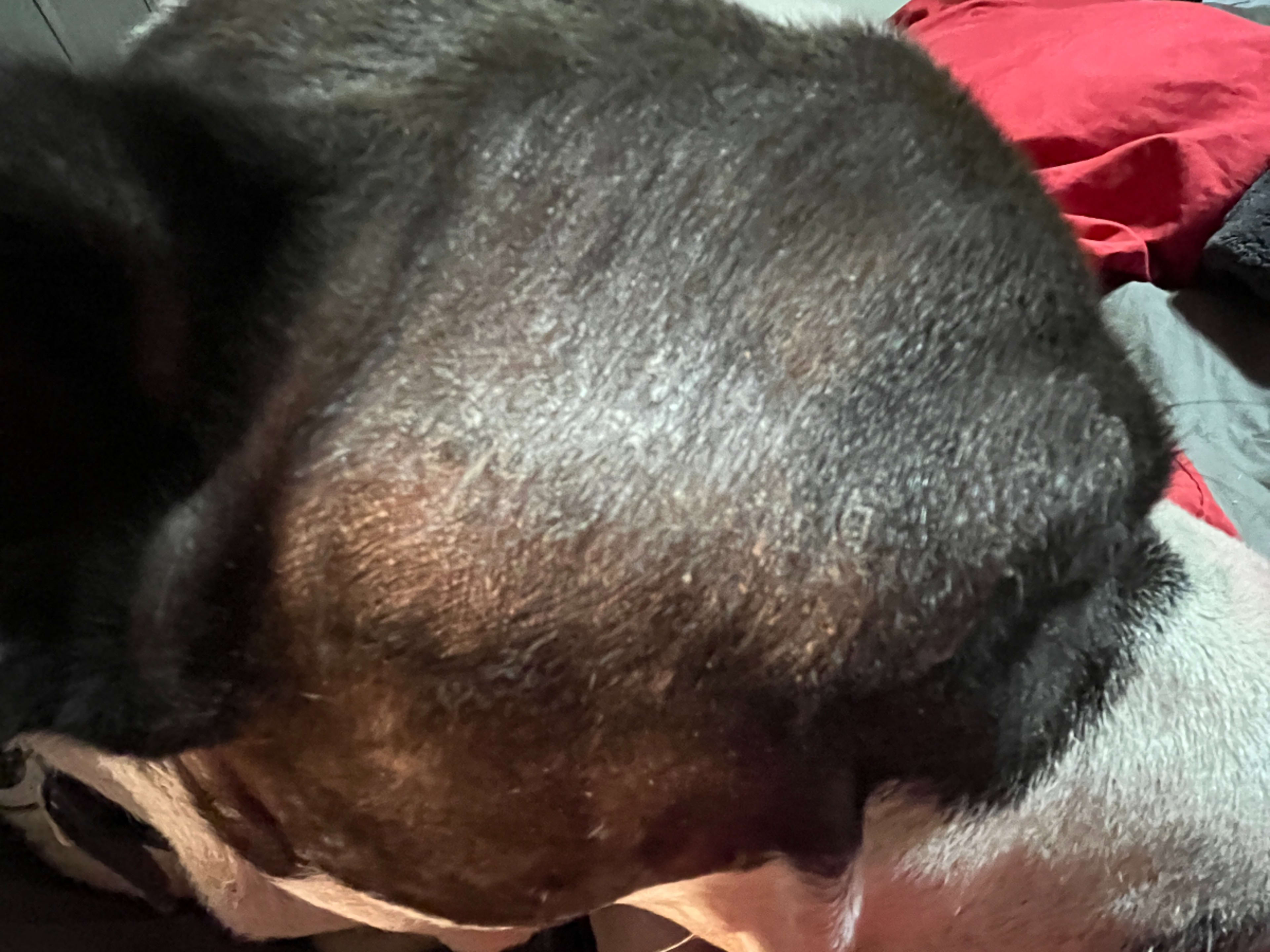

Autoimmune reactions, including alopecia areata, further comprise a notable cause behind shedding. In such scenarios, the immune mechanism incorrectly targets the hair follicles, a reaction that causes sudden patchy hairless areas. The severity of this disorder may vary between tiny patches all the way to complete head or potentially full-body hair loss. Although the exact cause behind the autoimmune attack is partially unclear, medical experts postulate that a synergy of genetic factors and environmental insults sets the stage for occurrence. Therapy for alopecia areata often utilizes corticosteroids intended to regulate the overactive defense response and encourage follicle renewal. Navigating such autoimmune challenge demands resilience, as outcomes to therapies frequently be highly unpredictable.
Moreover, dietary balance exhibits a substantial role on preserving optimal follicular health. Hair is a quickly dividing tissue, making it uniquely vulnerable to the effects of deficiencies in necessary nutrients. Low intake of iron, amino acids, zinc, biotin, and vitamin D may specifically lead to diminished growth. During scenarios where nutritional balance proves suboptimal, the body prioritizes scarce resources for other essential organs, thereby short-changing the follicles of its necessary building blocks. Correcting these nutritional deficiencies through specific dietary shifts or suitable supplements can assist in restoring hair growth. Nevertheless, one must regularly seek advice from a professional healthcare practitioner before beginning any regimen in order to guarantee safety and to prevent possible interactions.
Ultimately, addressing this multifaceted reality of hair loss requires a proactive approach. Though the personal weight associated with hair loss can seem heavy, one should keep in mind the fact that there are exist plenty of scientific strategies accessible to mitigation. Starting with external treatments and ingested pharmaceuticals to cutting-edge technologies like plasma plasma or transplant options, current dermatology continues to refining how we treat follicle growth. A crucial vital step frequently to request an proper evaluation from a experienced specialist. Through identifying the root trigger, people are able to craft a personalized management plan that perfectly fits with their unique needs. With the support, many people find entirely achievable to manage the hair health effectively and maintain sustained well-being.